Compare Local Contractors for Effective Insect Extermination Services
Compare local contractors to define the scope, verify experience, and set clear expectations for effective insect extermination services.
Insect extermination services typically cover a range of treatments aimed at eliminating pests such as ants, termites, roaches, bed bugs, and other common household invaders. Contractors in this field use various methods, including targeted chemical applications, baiting systems, and physical barriers, to address different types of infestations. Defining the scope of work upfront is essential to ensure that property owners understand what areas will be treated, what pests are being targeted, and what measures will be taken to prevent future issues. Clear communication about the scope helps set realistic expectations and ensures that both parties are aligned on the service process.
Property owners seeking insect extermination should consider how to compare local contractors effectively. It’s important to verify the experience and expertise of service providers in handling specific pest problems relevant to the property. Asking about the methods they employ and whether they have experience with similar infestations can provide insight into their capabilities. Additionally, establishing a written scope of work helps to clarify what services will be provided and prevents misunderstandings. Comparing how contractors define their scope, their approach to pest control, and their communication practices can assist property owners in making informed decisions.
When evaluating local contractors for insect extermination, property owners should consider how each service provider approaches defining the scope of work and communicating expectations. It’s beneficial to review any written agreements or proposals to ensure they specify the pest problems addressed, the treatment methods, and any follow-up procedures. Checking for experience with similar infestations and understanding each contractor’s approach can help determine their suitability. By focusing on these practical aspects-such as scope clarity, experience, and communication-property owners can compare local service providers effectively and select a contractor that aligns with their pest management needs.
Compare local contractors by outlining your needs, verifying experience, and establishing clear expectations in writing.
- Compare Contractor Services - evaluate different local contractors based on experience and service offerings.
- Define Service Scope - clearly outline the insect extermination needs to ensure accurate work expectations.
- Verify Experience and Reputation - review credentials and reputation to choose reliable service providers.
- Document Terms in Writing - establish agreements that specify the scope and details of the insect extermination work.
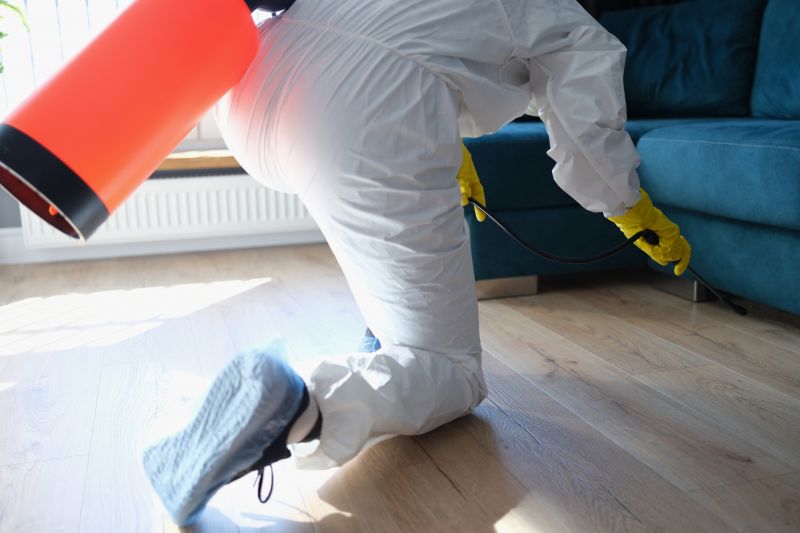
Clearly define your insect extermination project to compare local contractors, verify experience, and set expectations in writing.
- Verify the experience and expertise of local contractors in insect extermination services. - Ensure service providers clearly define the scope of work and pest types they handle.
- Compare the methods and techniques used by different contractors to find suitable approaches. - Confirm that all service details, including treatment areas and procedures, are documented in writing.
- Check for reviews or references to assess the reliability and quality of previous insect extermination work. - Clarify the warranties or follow-up policies offered by service providers before making a decision.
- Evaluate the communication and professionalism of potential contractors during initial inquiries. - Make sure expectations and responsibilities are outlined clearly in the service agreement.
- Assess the availability of local contractors who specialize in insect extermination for your specific pest issues. - Ensure the scope of work aligns with your needs and that the contractor’s experience matches the pest problem.
Compare local contractors, clarify the scope, verify experience, and set clear expectations in writing.
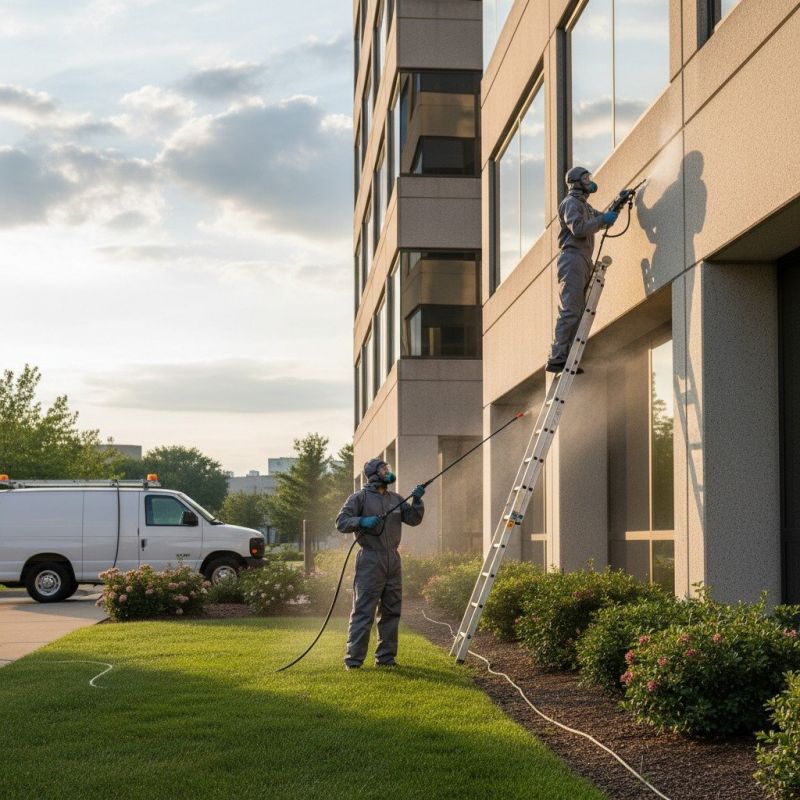
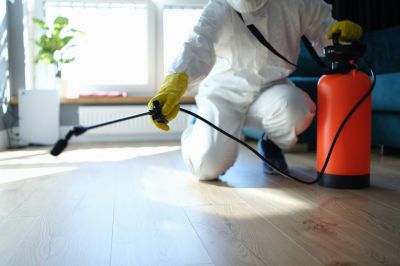
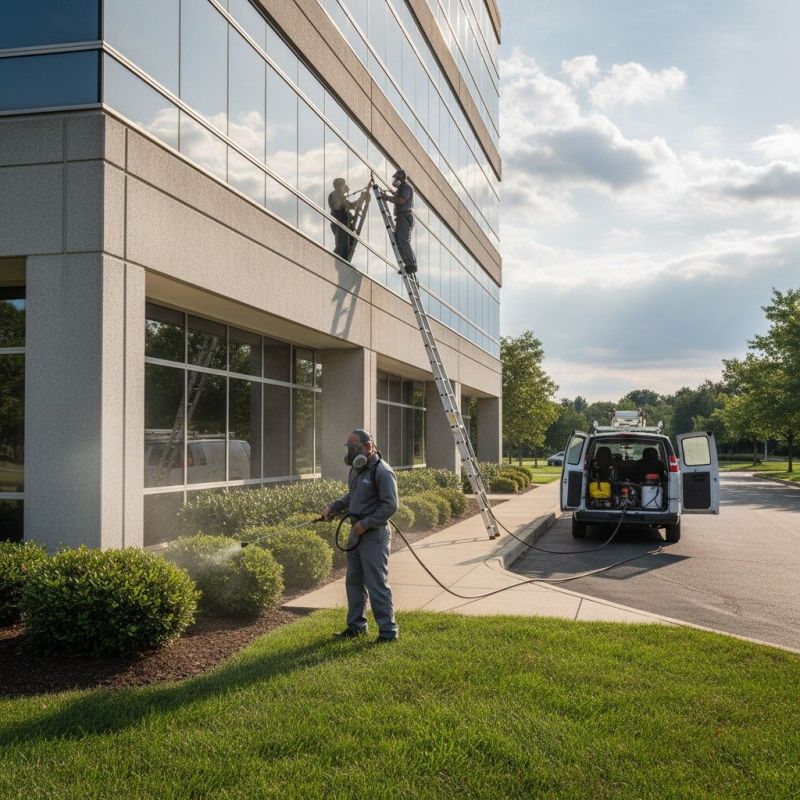

Use clear, consistent comparison criteria to evaluate local contractors’ scope, experience, and written expectations for insect extermination services.
- Service Scope - clearly define the specific insect species and areas to be treated during the extermination process.
- Experience and Expertise - verify that the service providers have relevant experience handling similar insect infestations.
- Methods and Techniques - understand the extermination methods and ensure they align with safety and effectiveness standards.
- Written Agreement - establish a detailed scope of work and expectations in a written document before work begins.
- Follow-up and Guarantees - inquire about follow-up procedures and any guarantees or warranties offered by the service providers.
When evaluating contractors for insect extermination services, it is important to consider their experience with similar projects. Homeowners should inquire about how long the service providers have been handling pest issues comparable to their own, as well as the types of insects they have successfully treated. Contractors with a proven track record in managing specific pests or environments are more likely to understand the nuances of effective treatment methods and potential challenges, helping to ensure that the chosen professional has relevant expertise.
A clear, written scope of work is essential for establishing mutual understanding and setting expectations. Homeowners should request detailed descriptions of the services included, such as inspection procedures, treatment methods, and follow-up protocols. A comprehensive scope helps prevent misunderstandings and provides a reference point for both parties, ensuring that all aspects of the insect extermination process are agreed upon in advance. This clarity supports a smoother process and can be useful for future reference or dispute resolution.
Verification basics involve confirming that the service provider has appropriate experience and a solid reputation within the community. Homeowners can ask for references or reviews from previous clients who had similar pest issues. Additionally, verifying that the contractor has a history of completing projects successfully in the local area can provide confidence in their ability to deliver quality results. While formal licensing or certification may not be required, gathering information on past work and client satisfaction helps gauge the reliability and competence of potential service providers.
When comparing options, it is helpful to assess how each contractor presents their scope of work and their approach to pest management. Homeowners should look for detailed proposals that outline the steps involved and the methods used, rather than relying solely on general descriptions. Asking service providers to explain their process in writing allows for a more informed comparison and helps identify which contractor’s approach aligns best with the homeowner’s expectations. This focus on clear communication and documented plans ensures that the chosen professional can deliver a service experience that meets the homeowner’s needs.
Ask contractors to provide written descriptions of the scope and expectations to ensure clear, consistent understanding.
- **Experience & Expertise** - What experience do local contractors have with insect extermination in similar environments?
- **Scope of Services** - How do service providers define the scope of insect extermination work included in their offerings?
- **Treatment Methods** - What methods and products do local contractors typically use for insect control, and how do they differ?
- **Warranty & Follow-Up** - Do contractors provide written details about follow-up treatments or warranties for their extermination services?
- **Comparison & Qualifications** - How can homeowners compare the qualifications and approaches of different insect extermination service providers?
How can I compare insect extermination contractors effectively? To compare contractors, review their scope of work, verify their experience in handling similar infestations, and ensure all service details are clearly outlined in writing.
What should I consider when defining the scope of pest control services? Clarify which pests need to be addressed, the extent of the affected areas, and any specific treatments or methods preferred to ensure the contractor understands your expectations.
How can I verify a contractor’s experience with insect extermination? Look for details about their past projects, ask for references if available, and confirm that they have handled infestations similar to yours successfully.
Why is it important to have the service scope and expectations in writing? Having a written agreement helps prevent misunderstandings, clearly defines the work to be performed, and provides a record of what was agreed upon.
What questions should I ask a contractor before hiring for pest extermination? Inquire about their experience with specific pests, the methods they use, and how they ensure the effectiveness of their treatments.
How can I ensure a contractor is suitable for my insect extermination needs? Review their experience, verify that they understand your pest issues, and confirm that they can provide a detailed scope of work in writing before proceeding.
By exploring the information provided, visitors can better understand how to identify qualified contractors capable of handling insect extermination projects. Comparing local service providers involves defining the scope of work, verifying their experience, and setting clear expectations in writing to ensure a smooth process. Utilizing the quote form can help gather relevant details to make informed decisions among the available options.
Taking the time to evaluate and compare local contractors ensures that the chosen service providers align with specific needs and preferences. Using the quote form to gather information allows for a straightforward way to connect with professionals who can address insect extermination effectively, helping to make well-informed choices without the need for direct contact at this stage.